A study can have an impressive title and still leave you wondering who paid for it. You can check that without deciding in advance that every sponsor is either trustworthy or dishonest.
Find the actual paper
Start with the journal page or PubMed record, not a cropped chart. Check that its authors, title and date match the story you read. A press release and the paper are separate sources.
If you only have a product advert, look for a citation you can follow. “Backed by science” is not a paper title. A missing citation is a missing citation, not permission to guess which study was intended.
Read funding and conflicts separately
Search the page for “funding,” “support,” “competing interests” and “conflict of interest.” The organisation that paid for a project and an author’s outside relationships may appear in different sections.
Write down what is actually disclosed. If no statement is visible, say that you could not locate it. Do not silently turn “not found” into “no conflicts.”
Keep the denominator with the percentage
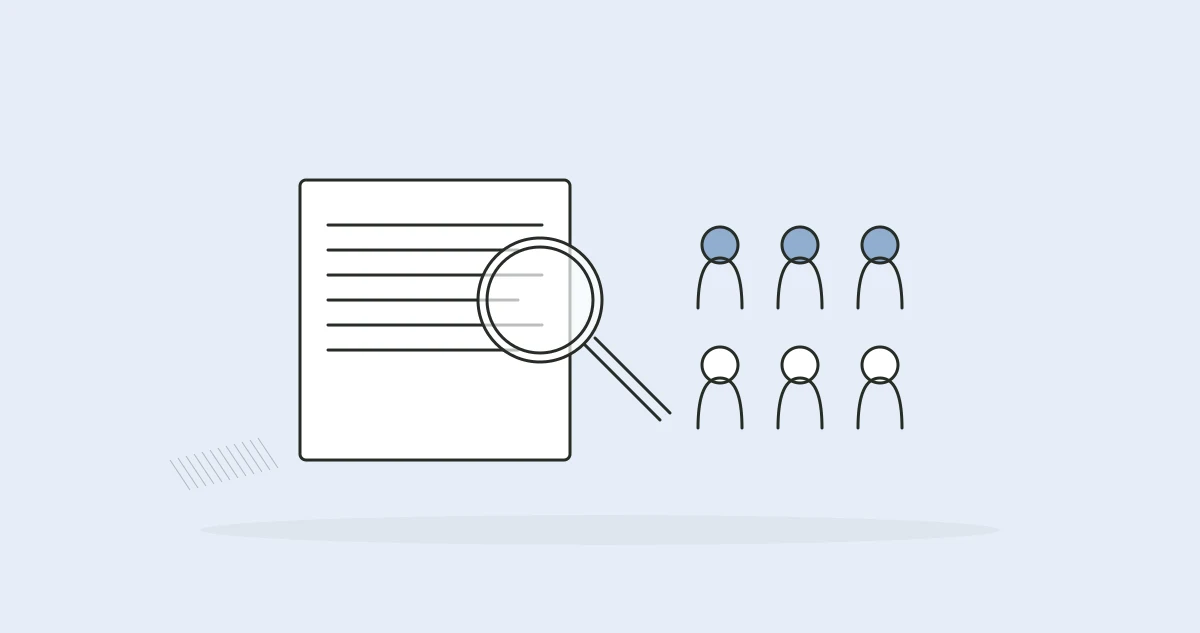
The recent NOVA review assessed a selected set of 69 articles. Its findings about industry relationships do not describe all nutrition research. A percentage without the selection criteria is easy to misread.
When saving a number, save the population it describes beside it. This habit also helps with surveys, product tests and claims about how many people prefer one brand.
Sources: American Journal of Public Health: systematic review of industry affiliations
Ask what the sponsor could influence
As an editorial checklist, ask who chose the comparison, which outcomes were measured and whether the full results are available. Then compare the conclusion with those results.
A sponsor connection is a reason for scrutiny, not proof that data are false. Equally, the absence of an obvious commercial sponsor cannot rescue a weak design or an unsupported conclusion.
Sources: Oregon Research Institute: study explanation, 24 September 2026
Make a short source note
A useful note has four parts: study link, design, funding statement and unresolved questions. Keep quoted wording distinct from your own interpretation.
For example: “Funding disclosed on the journal page; role of the sponsor needs checking.” That is more honest and more useful than calling a paper independent because its website looks professional.
- Paper and publication date
- Who funded the work
- Author relationship disclosures
- What the methods tested
- What remains unclear
Sources and further reading
This is general editorial information. Read the disclaimer and editorial policy. Send source corrections through our contact page.